Same-Day Furnace Repair: What to Do While You Wait for the Technician
A furnace breakdown during cold weather can quickly make your home uncomfortable. When the heating system stops working, you may be tempted to start troubleshooting every component to find the problem. However, some furnace issues require professional attention, and attempting repairs without the right knowledge can create additional risks.
While waiting for a technician, there are several practical steps you can take to stay comfortable, protect your household, and prepare for the service visit. If you have arranged furnace repair Westerville, OH, knowing what to do beforehand can also help the technician diagnose the issue more efficiently.
Here are some useful steps to follow while waiting for same-day furnace service.
1. Check Your Thermostat Settings
Before assuming the furnace has failed completely, check the thermostat. Sometimes, an incorrect setting or low battery can prevent the heating system from turning on.
Make sure the thermostat is set to Heat rather than Cool or Off. Set the temperature a few degrees above the current room temperature to see whether the furnace responds.
Also check:
- Whether the display is working properly.
- If the batteries need replacing.
- Whether the fan is set to Auto.
- If the programmed schedule has changed unexpectedly.
If the thermostat settings are correct and the furnace still does not respond, avoid repeatedly adjusting them. The issue may be elsewhere in the system.
2. Inspect the Air Filter
A dirty air filter can restrict airflow and affect furnace performance. When airflow is reduced, the system may overheat and activate its safety limit switch, causing it to shut down.
Check the filter if it is easily accessible. If it looks heavily covered in dust, replace it with the correct size and type recommended by the manufacturer.
Regular filter replacement is important for maintaining good airflow. However, if the furnace continues shutting down after a filter change, it needs further inspection.
3. Check the Circuit Breaker
A tripped circuit breaker can interrupt power to your furnace. Check your electrical panel to see whether the furnace breaker has moved to the tripped position.
If it has, you may reset it once according to the manufacturer’s instructions. If it trips again, do not keep resetting it. Repeated tripping can indicate an electrical problem that requires professional attention.
Never open electrical panels or attempt to repair internal wiring yourself.
4. Make Sure the Vents Are Open
Blocked or closed air vents can affect airflow throughout your home. Walk through the rooms and check that supply vents are not covered by rugs, furniture, curtains, or other objects.
Also make sure return air grilles are clear. These openings allow air to circulate back through the heating system.
If certain rooms feel colder than others, blocked vents may be contributing to the problem. Clearing them can improve airflow, although it will not resolve a major furnace fault.
5. Keep Your Home Warm Safely
If the furnace cannot provide heat, focus on keeping indoor temperatures as comfortable as possible until the technician arrives.
You can:
- Close doors to unused rooms.
- Keep curtains and blinds closed at night.
- Use blankets and warm clothing.
- Close windows and exterior doors properly.
- Gather household members in one comfortable room.
If you use a portable electric heater, follow its safety instructions. Keep it away from curtains, bedding, furniture, and other flammable materials. Never leave it unattended or use an extension cord unless the manufacturer specifically permits it.
Never use an oven, gas stove, charcoal grill, or outdoor heater to warm your home. These can create dangerous carbon monoxide or fire hazards.
6. Watch for Signs of Carbon Monoxide
A furnace that burns fuel improperly can create a carbon monoxide hazard. Carbon monoxide is an odourless, colourless gas that can cause serious illness or death.
Make sure your carbon monoxide detectors are working and that you know where they are installed.
Watch for possible symptoms of exposure, including:
- Headaches.
- Dizziness.
- Nausea.
- Weakness.
- Confusion.
If your carbon monoxide alarm sounds or you suspect exposure, leave the building immediately and move to fresh air. Call 911 or your local emergency services from outside. Do not re-enter until emergency responders say it is safe.
If you smell natural gas or hear a hissing sound near gas equipment, leave immediately without operating electrical switches or using a phone inside. Contact your gas utility or emergency services from a safe location.
7. Avoid DIY Furnace Repairs
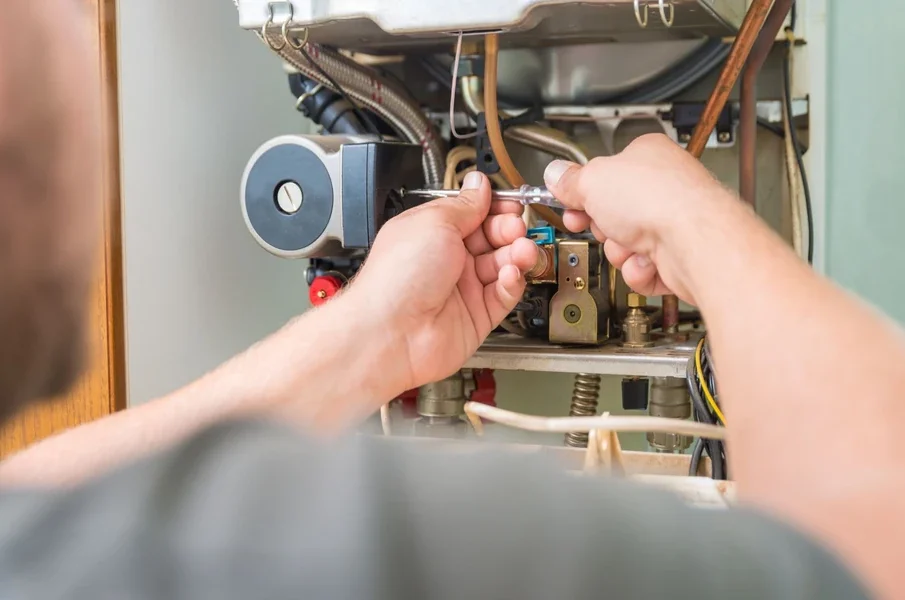
It can be tempting to remove furnace panels or inspect internal components when the heating stops working. However, modern furnaces contain electrical connections, gas components, ignition systems, and safety controls that require specialised knowledge.
Avoid attempting to:
- Repair gas lines or valves.
- Replace ignition components.
- Adjust internal safety switches.
- Handle refrigerant or electrical wiring.
- Bypass furnace safety controls.
These tasks can create serious safety risks and may cause further equipment damage. Leave internal diagnosis and repairs to a qualified HVAC professional.
8. Prepare Information for the Technician
A little preparation can make the service appointment more efficient. Before the technician arrives, take note of what happened and when the furnace stopped working.
Useful information includes:
- Whether the furnace stopped suddenly or gradually lost performance.
- Any unusual noises or smells.
- Whether the system starts and then shuts down.
- Any error codes displayed on the furnace.
- Recent filter changes or maintenance.
- Previous heating problems.
You can also clear the area around the furnace so the technician has safe access to the equipment.
If possible, keep the furnace model and serial number available. This information may help the technician identify the correct replacement parts if needed.
9. Ask What to Expect During the Repair Visit
Same-day service can help restore heating sooner, but the exact repair time depends on the cause of the problem.
A technician will generally inspect the system, test relevant components, identify the fault, and explain the recommended repair. Some issues may be resolved during the first visit, while others could require special parts or additional work.
Before approving repairs, ask for a clear explanation of the problem, the estimated cost, and whether any replacement parts are needed. You should also ask whether the repair includes checking the system’s overall safety and operation.
Conclusion
A furnace breakdown can be stressful, especially when temperatures drop. While waiting for a same-day technician, checking simple settings, keeping vents clear, and maintaining a safe indoor environment can help you manage the situation.
Avoid attempting complex repairs or using unsafe heating methods. Instead, prepare useful information for the technician and watch for signs of gas or carbon monoxide hazards. Taking these precautions can make the service visit smoother and help your household stay safe until your heating system is working again.