
How to Avoid Phishing and Fake Crypto Exchange Websites
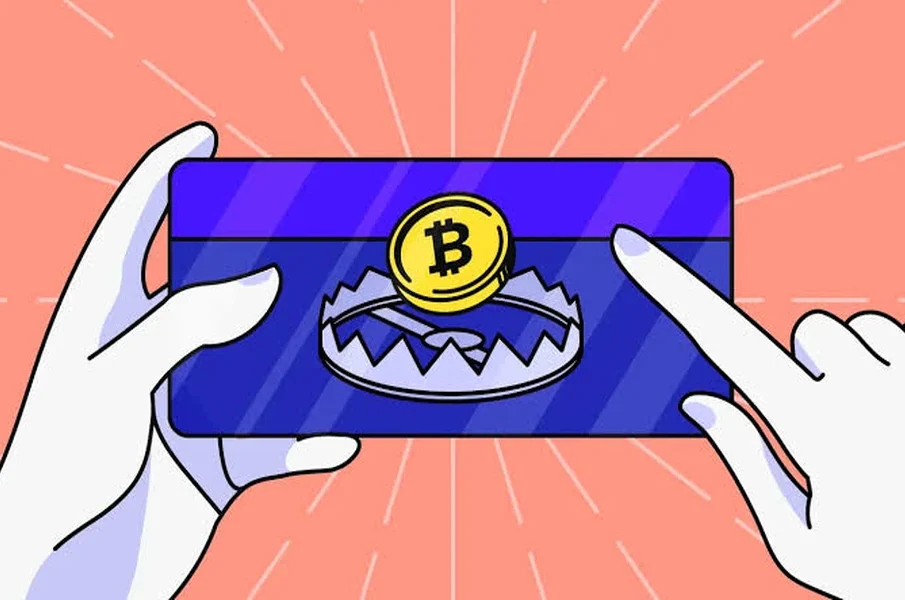
Crypto transactions are fast and usually irreversible. That makes them attractive targets for scammers, and one of their favorite tricks is the fake website. A cloned exchange page can look identical to the real one, complete with logos, colors and swap forms. The difference is that your funds go straight to the attacker. This article explains how phishing works in the crypto world and the habits that keep you safe.
How Fake Exchange Sites Work
Scammers copy the design of popular services and host it on domains that look similar to the original. They might change one letter, add a hyphen, use a different domain ending or add words like “secure” or “app.” When users enter the site and start a swap, the deposit address belongs to the scammer, and no coins are ever delivered.
Some fake sites also ask for seed phrases or private keys, claiming they are needed for “verification” or “wallet connection.” No legitimate exchange needs your seed phrase.
Where Fake Links Come From
- Search engine ads that appear above genuine results.
- Social media posts and comments.
- Direct messages from people claiming to be support staff.
- Emails that imitate official notifications.
- Messages in Telegram or Discord groups.
- Typos when entering a web address.
Habit 1: Bookmark the Official Site
The simplest protection is to save the official URL as a bookmark the first time you verify it, and always use that bookmark. For example, if you use OnlySwaps, check that you are on the OnlySwaps official site and bookmark it rather than searching for it every time.
Habit 2: Check the Address Bar
Before entering any details:
- Read the full domain carefully, character by character.
- Watch for lookalike characters, such as the number zero replacing the letter “o.”
- Look for unusual domain endings.
- Make sure the connection is secure (HTTPS), though remember that scam sites can also use HTTPS.
Habit 3: Be Careful With Ads and Search Results
Scammers sometimes buy search ads that lead to fake sites. Scroll past ads and verify the domain before clicking, or use your bookmark.
Habit 4: Never Share Your Seed Phrase
Your seed phrase or private keys give full control over your wallet. No exchange, wallet provider or support agent will ever need them. Anyone asking for them is attempting theft.
Habit 5: Distrust Unsolicited Support
Real support teams rarely contact you first through private messages. Scammers monitor public channels for people asking for help and then message them pretending to be staff. Use only the contact methods listed on the official website.
Habit 6: Verify Addresses
Even on the real website, malware on your device could change copied addresses. After pasting any address, compare the beginning and end with the original. For deposit addresses, confirm they appear on the official swap page during an active order.
Habit 7: Test With Small Amounts
When using a service for the first time, start with a small amount. If something goes wrong, the loss is limited.
Habit 8: Keep Software Updated
Update your browser, operating system and wallet apps. Use reputable antivirus software and avoid installing unknown browser extensions, which can read or alter web pages.
Habit 9: Check Official Social Channels
Many services list their official social media accounts on their websites. OnlySwaps, for example, links to its Telegram and X accounts from its site. Follow links from the official website rather than searching for accounts on social platforms, where impersonators are common.
Warning Signs of a Fake Site
- Prices or rates that seem too good to be true.
- Requests for seed phrases, private keys or wallet “synchronization.”
- Pressure tactics such as countdowns or “limited bonus” offers.
- Spelling mistakes and broken pages.
- Missing policies, such as user agreements or privacy policies.
- Support that only exists through private messages.
Legitimate services typically publish their terms. OnlySwaps, for instance, asks users to accept its User Agreement, AML and CFT Policy and Privacy Policy before a swap.
What to Do If You Fall for a Scam
- Stop any further transfers immediately.
- If you shared your seed phrase, move remaining funds to a new wallet with a new seed phrase right away.
- Record transaction IDs, website addresses and screenshots.
- Report the scam to the legitimate service, to the platform where you found the link and to local authorities.
- Warn others in communities you use.
Unfortunately, crypto transfers are usually irreversible, so prevention is far more effective than recovery.
Teaching Others
Many scam victims are newcomers. If friends or family are starting with crypto, share these habits with them. A few minutes of guidance can prevent serious losses.
Frequently Asked Questions
Can a fake site have a valid security certificate? Yes. HTTPS only means the connection is encrypted, not that the site is legitimate. Always check the domain itself.
Are browser extensions safe? Only install extensions from trusted developers. Some malicious extensions can modify web pages, including crypto addresses.
Should I trust links shared in group chats? Treat them with caution, even if they come from people you know, as accounts can be compromised. Use your own bookmark instead.
Is it safe to click links in emails from exchanges? Treat them with caution. Even genuine-looking emails can be spoofed, so open the site through your own bookmark instead.
Key Takeaways
- Bookmark official websites and use those bookmarks.
- Read every domain carefully before entering details.
- Never share a seed phrase with anyone.
- Ignore unsolicited support messages.
- Report scam sites to help protect others.
Final Thoughts
Fake exchange sites are one of the most common crypto threats, but they are avoidable. Bookmark official sites, check domains carefully, ignore suspicious ads and messages, never share seed phrases, verify addresses and start with small amounts. Building these habits makes every swap safer and lets you use crypto services with confidence.