
Common Causes of Slip and Fall Accidents in NJ Stores and Restaurants
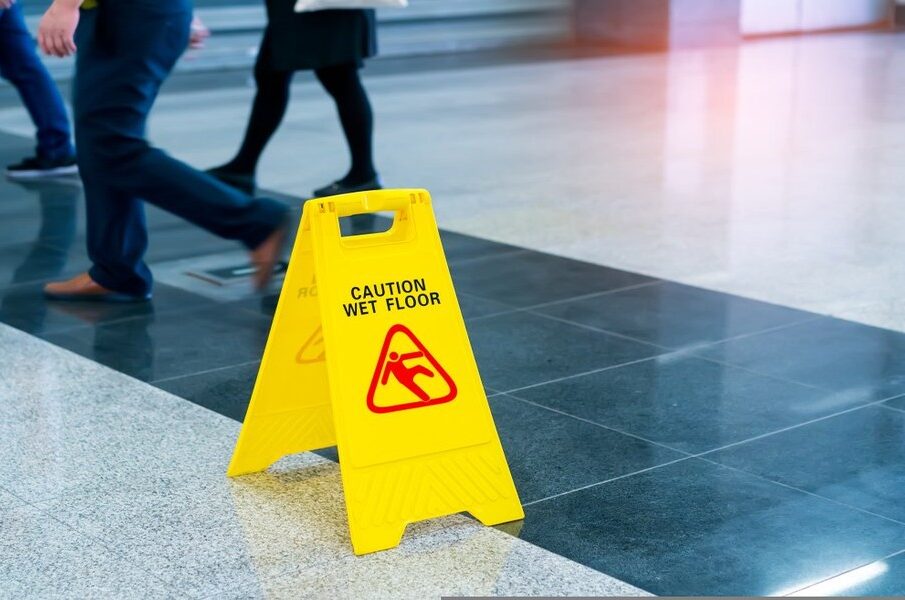
Slip and fall accidents in New Jersey stores and restaurants are a frequent source of personal injury claims. These accidents can cause serious injuries, including broken bones, head trauma, and long-term mobility issues. Understanding the common causes of slip and fall accidents in commercial settings can help you protect your rights and seek compensation if you are injured.
Wet or Slippery Floors
One of the most common causes of slip and fall accidents is wet or slippery floors. Spills from beverages, food, cleaning products, or rain tracked in from outside can create hazardous conditions. Property owners have a legal duty to promptly clean spills and place visible warning signs to alert customers of potential dangers. Failure to do so can lead to liability if someone is injured.
Uneven or Damaged Flooring
Uneven surfaces, loose tiles, or damaged flooring can create trip hazards in stores and restaurants. Customers may not notice a raised edge or broken tile, resulting in a fall. Regular maintenance and inspections are required to minimize these risks. If an injury occurs due to neglected flooring, the property owner may be held responsible.
Poor Lighting
Inadequate lighting in hallways, aisles, stairways, or parking areas can make it difficult for customers to see hazards. Dimly lit areas increase the likelihood of slips and falls, especially in restaurants with low lighting for ambiance. Property owners are responsible for maintaining sufficient lighting to ensure safety.
Cluttered Walkways and Obstacles
Cluttered aisles, boxes, cords, or improperly placed furniture can block walkways and create tripping hazards. Restaurants may also have chairs or tables positioned in a way that obstructs safe walking paths. Businesses are legally required to maintain clear, unobstructed paths for patrons.
Seasonal Hazards
Weather conditions can also contribute to slip and fall accidents. Rain, snow, and ice tracked into stores or restaurants create slippery surfaces. Property owners should place mats, apply salt or de-icing material, and use warning signs to prevent accidents during adverse weather.
Failure to Warn Customers of Known Hazards
Even if a hazard exists temporarily, such as a wet floor after cleaning or a spill, property owners have a duty to warn customers. Warning signs, cones, or verbal notices can help prevent accidents. If a business fails to provide proper warnings, they may be held liable for resulting injuries.
Why Evidence Matters
Proving liability in a slip and fall case requires evidence. Injured parties should:
- Take photographs of the hazard and surrounding area
- Obtain witness statements from employees or other customers
- Keep copies of medical records and bills
- Request an incident report from the business
Documenting these details helps establish negligence and supports a claim for compensation.
Legal Guidance Can Help
Slip and fall claims can become complicated, especially if the business disputes responsibility. An experienced personal injury attorney can investigate the accident, gather evidence, and negotiate with insurance companies. Legal support can ensure that you receive compensation for medical expenses, lost wages, and pain and suffering.
Many injured individuals in New Jersey rely on The Law Offices of Anthony Carbone for guidance after slip and fall accidents in stores and restaurants. Legal representation increases the likelihood of a fair settlement and helps protect your rights.
Final Thoughts
Slip and fall accidents in New Jersey stores and restaurants often result from wet floors, uneven surfaces, poor lighting, cluttered walkways, seasonal hazards, or failure to warn customers. Understanding the common causes of these accidents and taking prompt action after an injury is critical. Seek medical care immediately, document the scene thoroughly, and consult an attorney to ensure your rights are protected and your claim is handled effectively.