Understanding Kidney Stones: Prevention, Symptoms, and Treatment Options
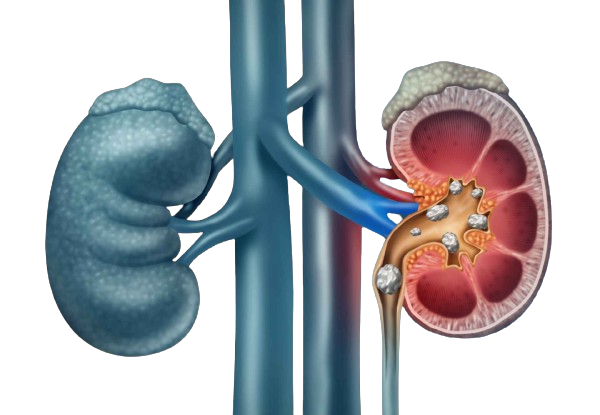
Kidney stones are a common and potentially painful urological condition that affects men and women of all ages. These hard mineral and salt deposits form in the kidneys and can range in size from a grain of sand to a golf ball. While some kidney stones pass unnoticed, larger or obstructive stones can cause severe pain, urinary issues, and, if untreated, serious complications such as infections or permanent kidney damage. Despite the discomfort they can cause, kidney stones are generally manageable with proper medical care, lifestyle adjustments, and preventive strategies. Understanding their causes, symptoms, prevention, and treatment options is essential for maintaining long-term urinary health. Clinics specialize in managing kidney stones and provide tailored care for patients seeking effective solutions.
What Causes Kidney Stones?
Kidney stones form when certain substances in the urine, such as calcium, oxalate, uric acid, or cystine, become concentrated and crystallize. Several factors can contribute to their formation, including:
- Dehydration: Inadequate water intake results in concentrated urine, making it easier for crystals to form.
- Dietary Habits: Diets high in salt, sugar, animal protein, or oxalate-rich foods like spinach, beets, and nuts can increase stone risk.
- Medical Conditions: Chronic conditions such as obesity, gout, diabetes, and gastrointestinal disorders can predispose patients to stone formation.
- Genetics: Family history plays a role; men and women with relatives who have had kidney stones are at higher risk.
- Medications: Certain medications, including diuretics, calcium supplements, and some antibiotics, may contribute to stone development.
Identifying these factors helps guide preventive measures and reduces the likelihood of recurring stones.
Symptoms to Watch For
Small kidney stones may not cause noticeable symptoms and can pass naturally. Larger stones or those that obstruct urine flow, however, can lead to significant discomfort. Common symptoms include:
- Sharp, intense pain in the back, side, or lower abdomen
- Pain radiating to the groin or genitals
- Nausea and vomiting
- Blood in the urine (hematuria)
- Frequent or painful urination
- Urgent need to urinate or difficulty passing urine
- Cloudy or foul-smelling urine
Recognizing these symptoms early and seeking prompt medical care is critical to prevent complications, including infection or permanent kidney damage.
Diagnosis and Evaluation
Proper diagnosis is essential for determining the size, location, and composition of a kidney stone. Urologists may use the following tools:
- Imaging Tests: CT scans, ultrasounds, and X-rays provide detailed views of the kidneys, ureters, and bladder.
- Urine Analysis: Identifies crystals, blood, infection, and other abnormalities.
- Blood Tests: Assess kidney function, calcium levels, uric acid, and other factors that may contribute to stone formation.
- Stone Analysis: If a stone passes naturally or is surgically removed, laboratory analysis can inform preventive strategies for future stones.
A comprehensive evaluation allows the urologist to develop a personalized treatment plan and reduce recurrence risk.
Treatment Options
Treatment for kidney stones depends on the size, location, and type of stone. Options include:
- Hydration and Pain Management: Small stones often pass naturally with increased fluid intake and over-the-counter pain medication.
- Medical Therapy: Medications can relax the urinary tract, facilitate stone passage, or prevent new stone formation.
- Extracorporeal Shock Wave Lithotripsy (ESWL): Non-invasive procedure using sound waves to break stones into smaller fragments that can pass more easily.
- Ureteroscopy: A minimally invasive procedure where a small scope is inserted to remove or break up stones.
- Percutaneous Nephrolithotomy: For larger or complex stones, a small incision allows direct removal from the kidney.
Early intervention ensures effective management, reduces discomfort, and prevents potential complications.
Prevention Strategies
Preventing kidney stones is often achievable through lifestyle modifications and careful monitoring. Key strategies include:
- Stay Hydrated: Drinking adequate water dilutes urine and reduces crystallization.
- Dietary Adjustments: Limit salt, reduce animal protein intake, and moderate consumption of high-oxalate foods.
- Maintain Healthy Weight: Obesity increases the risk of stone formation.
- Manage Medical Conditions: Controlling diabetes, gout, and metabolic disorders can lower stone risk.
- Follow Medical Guidance: For individuals prone to recurrent stones, a urologist may recommend medications or supplements tailored to prevent future occurrences.
Consistently applying these strategies can significantly reduce the risk of recurrent kidney stones.
When to See a Urologist
Men and women experiencing severe flank pain, visible blood in urine, or repeated kidney stones should consult a urologist promptly. Early evaluation ensures proper diagnosis, effective pain management, and development of long-term prevention plans. Individuals with a history of stones or predisposing conditions benefit most from proactive specialist care.
Conclusion
Kidney stones can cause significant discomfort, disrupt daily life, and, if untreated, lead to serious complications. However, with accurate diagnosis, effective treatment, and preventive strategies, most patients recover fully and maintain kidney and urinary health. Clinics like Lazare Urology provide comprehensive, individualized care, guiding patients through evaluation, treatment, and long-term prevention. By prioritizing urinary health, individuals can reduce the risk of stones, manage symptoms effectively, and preserve overall well-being.