How Truck Lease Services Support Flexible Vehicle Upgrade Opportunities Today
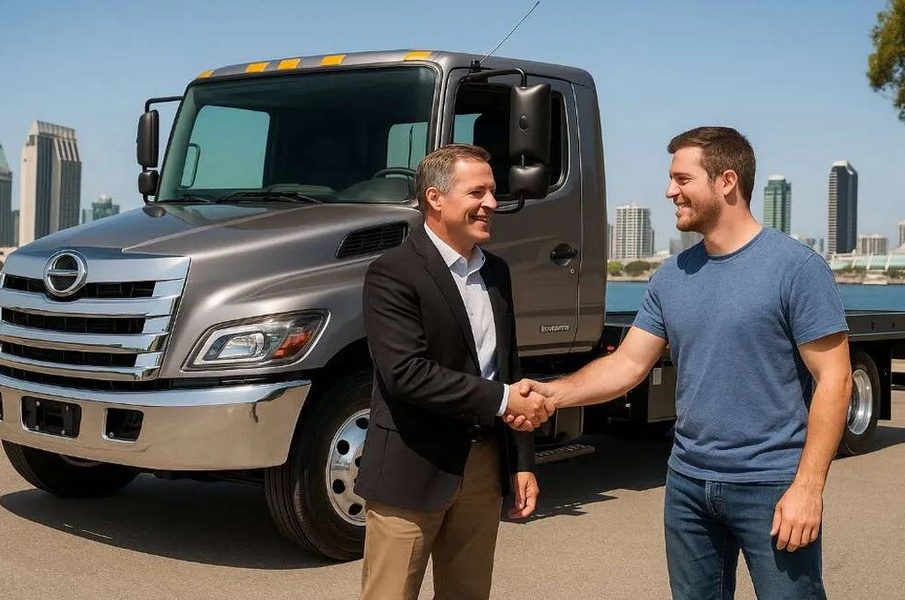
Fleet owners face changing transport requirements every quarter. Market conditions shift across freight, retail, and construction sectors. Leasing agreements simplify vehicle replacement during operational transitions. Many companies now learn more about flexible fleet arrangements before expanding transportation capacity.
Why Do Businesses Prefer Leasing Over Ownership?
Vehicle ownership creates long financial obligations for transport operators. Repairs increase once trucks reach higher mileage thresholds. Leasing avoids resale negotiations during replacement periods. Unlike purchased equipment, leased units receive scheduled upgrade opportunities.
Regional carriers often replace medium-duty trucks every three years. That timing reduces workshop interruptions during delivery schedules. Cold-chain distributors also benefit from updated refrigeration technology. Better temperature systems protect food shipments during highway routes.
Smarter Upgrade Cycles Improve Fleet Efficiency
Modern lease contracts provide replacement flexibility for commercial operators. Some agreements include mileage adjustments during seasonal transportation fluctuations. Construction firms value adaptable terms during infrastructure assignments.
Several upgrade advantages stand out:
- Lower repair spending across older vehicle categories
- Faster access toward advanced driver-assistance systems
- Cleaner engine compliance across regulated freight regions
- Easier fleet expansion during heavy delivery periods
Fleet managers rarely ignore maintenance timing during vehicle planning decisions. Mechanical downtime damages route consistency and customer confidence.
What Makes Leasing Financially Practical?
Truck purchases require substantial capital before operations begin. Leasing spreads transportation costs through predictable monthly payment arrangements. That structure protects working capital during expansion planning stages.
Retail distribution companies often allocate remaining funds toward warehouse improvements instead. Better inventory coordination strengthens delivery accuracy across retail destinations. While ownership builds long-term assets, leasing creates operational flexibility during freight cycles.
Several financial strengths deserve attention:
- Reduced upfront transportation investment requirements
- Stable budgeting across contract durations
- Faster replacement during technology improvements
- Less exposure toward fluctuating resale markets
Businesses comparing transport models often learn more through customized lease evaluations. Flexible agreements match delivery patterns across commercial industries.
Can New Technology Change Upgrade Decisions?
Technology shapes nearly every commercial transportation decision nationwide. Newer trucks include automated braking and route-monitoring software systems. Fuel-saving engines also reduce operating expenses during freight assignments.
Delivery fleets handling urban routes prefer compact technology-equipped commercial vehicles. Larger carriers prioritize sleeper cabins featuring navigation integrations. Both approaches strengthen scheduling reliability during high-volume transport operations.
Experienced operators also monitor environmental regulations before replacing commercial vehicles. Leasing helps businesses transition toward compliant engines without financial strain.
Keeping Fleets Competitive Without Operational Pressure
Transportation businesses cannot afford unreliable vehicles during competitive delivery markets. Aging trucks often create repair delays across freight schedules. Leasing allows modernization without financial commitments.
Reliable upgrade opportunities strengthen operational planning across transportation networks. Flexible contracts also help companies respond during shifting commercial demands.
FAQs
How often can leased trucks receive upgrades?
Many providers offer replacement options every few years. Contract conditions determine upgrade eligibility timelines.
Are maintenance services included within lease agreements?
Certain lease packages include servicing, inspections, and repair coordination benefits. Coverage depends upon selected commercial contract terms.
Do leased fleets help smaller transportation companies?
Yes, smaller operators gain access toward newer commercial equipment affordably. Leasing reduces purchasing pressure during business expansion stages.
Which industries benefit most from truck leasing?
Retail distribution, construction, refrigerated transport, and regional freight sectors benefit from adaptable fleet replacement arrangements.