Where Ancient Ports Tell Stories of Empire
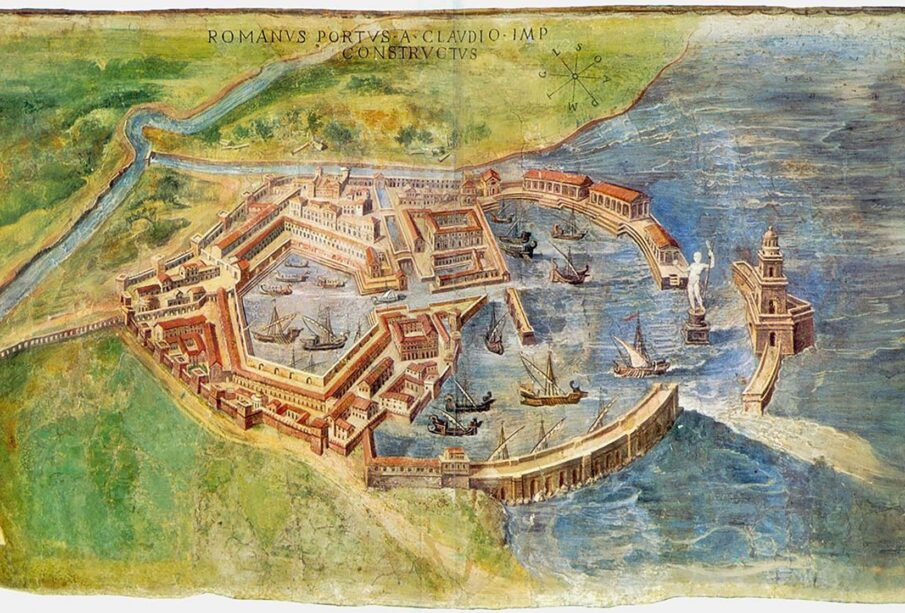
For centuries, ports have served as the lifeblood of civilizations, acting as gateways for commerce, culture, and conquest. Today, visiting these ancient harbors offers travelers a chance to step back in time and witness the enduring influence of empires that shaped the modern world. From sun-washed stone quays to fortified walls and bustling marketplaces, each port tells a story of ambition, trade, and cultural exchange.
Walking along the docks of historic ports, it is easy to imagine the ships of centuries past arriving with goods, ideas, and people from distant lands. These harbors were often the first point of contact between empires and the wider world, where traders and explorers negotiated, bartered, and sometimes clashed. Many cities retain the architecture and street layouts established during their periods of prominence, allowing travelers to trace the ebb and flow of history in tangible ways. Narrow alleys, fortified citadels, and ancient warehouses offer clues to how commerce and defense shaped urban life.
Mediterranean cruises, in particular, offer a distinctive perspective on these historic gateways. From the sunlit harbors of Greece to the fortified ports of Italy and the bustling docks of Turkey, passengers have the opportunity to explore centuries of maritime history while enjoying modern comforts at sea. Stops along these cruises often include guided tours of city fortifications, visits to maritime museums, and excursions to local markets where the legacy of trade continues. Even a casual walk along the waterfront can reveal layers of history, with inscriptions, statues, and architecture silently recounting the ambitions of empires long past.
A key to fully appreciating ancient ports is observing the architectural elements that endure through time. Fortifications, often built to withstand naval attacks, reveal the military priorities of empires. Watchtowers, walls, and gates were designed not just for protection but as symbols of power and influence. Similarly, civic buildings such as town halls, marketplaces, and religious structures demonstrate the economic and social priorities of their eras. Many ports feature a mix of styles, reflecting the succession of rulers and the integration of cultural influences over centuries. By taking the time to study these details, travelers can uncover stories that textbooks alone cannot convey.
Art and sculpture are equally informative. Statues in squares, reliefs on buildings, and decorative elements in public spaces often commemorate historical figures, mythological events, or victories in naval battles. These artistic features offer insight into the values and ideals of the people who lived there, providing context for the architecture that surrounds them. Some ports also feature maritime-themed museums or exhibitions that display artifacts such as ancient ship remnants, navigational instruments, and trade goods, giving visitors a hands-on connection to the past.
The layout of a port itself can reveal much about its history. The positioning of quays, docks, and warehouses often followed practical and strategic considerations. Proximity to trade routes, access to fresh water, and natural defenses against invaders all influenced urban planning. Even today, wandering through these areas offers a sense of how geography shaped political and economic power. Travelers can often find centuries-old anchor points, bollards, and slipways that were once crucial to loading and unloading goods, connecting the physical landscape to human activity in a deeply tangible way.
Engaging with local guides can enhance the experience, providing anecdotes, historical context, and lesser-known facts that bring ancient ports to life. Many guides are able to point out subtle architectural features, explain the significance of overlooked monuments, or recount legends and events associated with particular sites. This personal narrative layer makes history more vivid, transforming a simple visit into a journey through time.
Food and culture also help tell the story of these ports. Traditional recipes often reflect centuries of trade, incorporating spices, grains, and ingredients brought by merchants from distant lands. Dining at a local café or family-run restaurant allows travelers to taste the echoes of history in each bite. Markets still bustling with fresh produce, seafood, and handcrafted goods offer another way to connect with the ongoing life of the port, blending historical insight with sensory experience.
Seasonality can also shape the experience of visiting ancient ports. Spring and autumn often offer mild temperatures and fewer crowds, allowing for leisurely exploration and quiet reflection. Summer, while busier, can provide the energy and vibrancy of festivals, performances, and outdoor events that highlight local heritage. Even a short visit can be enriched by observing seasonal maritime traditions or participating in community celebrations that have endured for generations.
Ultimately, traveling to ancient ports is about more than admiring architecture or historical artifacts. It is about immersing oneself in the layers of human endeavor that these spaces preserve. The cobblestone streets, sun-bleached facades, and bustling markets all bear witness to the ambitions, challenges, and achievements of those who came before. By moving deliberately, listening to local stories, and engaging with both physical and cultural elements, travelers gain a deeper appreciation of the forces that shaped these cities.
Modern cruise experiences complement this engagement, providing comfort and convenience while still allowing meaningful interaction with history. Passengers can explore multiple ports along a Mediterranean cruise itinerary, experiencing varied architectural styles, historical narratives, and cultural expressions. The rhythm of time at sea offers a pause between excursions, allowing travelers to reflect on what they have seen and anticipate the discoveries ahead. In this way, the journey itself becomes part of the historical experience, connecting travelers not just to individual destinations but to the broader currents of human history that link them.
Visiting ancient ports offers a profound way to see history in motion. The buildings, streets, and artworks are not static remnants but living evidence of empires’ rise and fall, of trade networks and cultural exchange, of human creativity and resilience. Each port invites travelers to read these stories, to interpret the subtle cues left by past generations, and to carry forward the understanding that history is both tangible and experiential. Whether wandering through a fortified quay, studying a centuries-old cathedral, or savoring the flavors of a historic market, the traveler becomes part of a continuum that stretches across time, making the lessons of the past resonate in the present.
By combining thoughtful observation, engagement with local culture, and the convenience of modern travel, ancient ports reveal their stories fully and memorably. Cruises, especially in the Mediterranean, offer a unique platform for such exploration, connecting multiple historic sites with ease and comfort. Travelers who approach these journeys with curiosity, patience, and a willingness to reflect will find that every quay, tower, and marketplace has a story to tell, waiting to be discovered.